
Allen County Directory Collections
The Allen County Public Library Genealogy Center is the main shelf for Fort Wayne and Allen County directory work. Its holdings span print, microfilm, microfiche, and local digital indexes. The format and access method depend on the year. Staff can help locate a reel, book, database citation, or companion newspaper when a catalog entry is not enough.
| Collection | Years | Where Held | Access |
|---|---|---|---|
| Digitized Fort Wayne runs | 1858-1910, selected editions | ACPL local database | Free online |
| Early historical directories | Late 1700s-1860 | ACPL microfiche | Library research |
| Fort Wayne directories | 1861-1935 | ACPL microfilm | Library research |
| Polk and later volumes | Mid-1900s forward | ACPL print collection | Mostly on site |
| Telephone and neighborhood runs | 1920s-2025, selected years | ACGSI collection map | Index or repository |
The online editions include runs for 1858-59 through 1876-77, later 1889-91 volumes, and 1910. Gaps matter. A missing year does not show that a person left town, and a title may mix residence, county, business, and city-guide material.
Allen County Directory Publishers
The title page is part of the evidence. Local editions were issued under names tied to Williams, Stockbridge, Carrier & Campbell, and R.L. Polk. Each publisher could set its own abbreviations, reach, and editorial rules. One volume may stress firms, while the next includes household or county material. Save the title page, preface, and abbreviation key before extracting a name.
ACPL reports one copy of most Polk editions in the Genealogy Center. Its wider holdings exceed 50,000 print directories, mostly from 1964 forward, with many from the 1940s and 1950s. Older media sets add thousands of fiche and film items. A failed web search should therefore lead to the catalog or reference desk, not to the claim that no volume survives.
Digitized Allen County Historical Directories
The Genealogy Center digitized collection gives direct access to selected editions and community-focused material. Browse by edition, then retain the scan or image number with the printed page. Text search can miss faded type, split columns, initials, and unfamiliar spellings. A page-by-page check is often worth the time.
The digital shelf is selective. Subscription newspaper and family-history databases may require on-site use. For missing editions, contact the center at 260-421-1225 or visit 900 Library Plaza. Hours are Monday through Thursday 9 a.m. to 9 p.m., Friday and Saturday 9 a.m. to 6 p.m., and Sunday noon to 5 p.m.
Read Allen County Directory Entries
A listing compresses several facts into one line. Read it by the edition's own key. A person may appear at a home, boarding place, or work address. A spouse or widow note can separate two similar names. An occupation can link an entry to an employer advertisement elsewhere in the book, but it does not prove that the role lasted beyond that edition.
| Name | The printed person or householder name, often using initials. |
|---|---|
| Occupation | A trade, role, employer, or business link for that edition. |
| Address | A home, residence, boarding, or business place as labeled. |
| Spouse or widow | A household clue that may split same-name entries. |
| Source marks | Short labels defined by that volume, not modern usage. |
- Criss-cross directory
- A later section arranged by street and house number instead of surname.
- Householder index
- A list centered on the named person linked to a household entry.
- Abbreviation key
- The volume's guide to labels for residence, boards, and work.
Transcribe what the record says. Do not turn “boards” into ownership or a firm address into a home. That distinction keeps Allen County directory records useful and honest.
Lives Between Allen Directory Editions
An annual volume can catch a change that a ten-year census misses. The ACPL runs may show a new street, changed trade, spouse note, or the first and last years that a person appears. This is useful for family history, school research, and tracing a person between census dates.
Compare two editions on each side of the target year. An absence may mean death, a move, an omitted canvass, a spelling shift, or a collection gap. Pair the entry with the Allen County Obituary Index, a deed, newspaper page, or cemetery record. The obituary index spans Fort Wayne newspaper citations from 1837 through March 25, 2026 and offers exact, fuzzy, and soundex name modes.
Trace Allen County Directory Households
A sound household trail moves one edition at a time. Keep the exact name form, year, page, address, work line, spouse note, and source format. The aim is not to force every similar listing into one person. It is to build a dated chain that other records can test.
- Begin with the most certain name and year, then copy the entry and key.
- Search the year before and after, including initials and spouse names.
- Mark whether each address is a home, boarding place, or business.
- Pair directory years with census, newspaper, deed, and life-event records.
- End with the volume, page or image, repository, and access date.
If the inquiry shifts to current address records, use the Allen County street directory rather than stretching an old edition past its date.
Allen Directory Address Changes
Fort Wayne address history has a major trap. Local sources report a broad number change in 1902, while the city code and a 1913-14 handbook explain the rivers, Calhoun Street, and 100-numbers-per-block logic. An old number may not resolve in a modern map even when the person never moved.
Compare editions just before and after 1902. Then consult the ACGSI Fort Wayne Street Guide, a period map, or a Sanborn sheet. Keep the old wording in the citation. Converting it without a source can create a false move and attach the wrong household to a modern parcel.
Sanborn fire-insurance maps cover Fort Wayne in 1890, 1902, and 1918-1951 runs. Their building footprints, street numbers, walks, materials, and uses give a dated view of the block. They are not a survey or an occupancy roll. Match the map year to the directory year and note the sheet number, since a later map can reflect a rebuild or number change that the earlier directory could not show.
Community Directories in Allen County
The Fort Wayne Black Pages and Professional Directory, published by Walter T. Hayden, preserves names, institutions, firms, and community groups in editions such as 1994-95. ACGSI also lists African-American Fort Wayne directories from 1858-1877, selected neighborhood books, rural and town editions, and school or church material.
These are historical publications, not live rosters. They can place a person within a community at a given date, but another source should verify identity and address. Save the title, edition, publisher, page, collection ID, and access terms.
Fort Wayne City Record Channels
Historical directories differ from city government records. Address-based permit and code cases use the Fort Wayne Accela search.
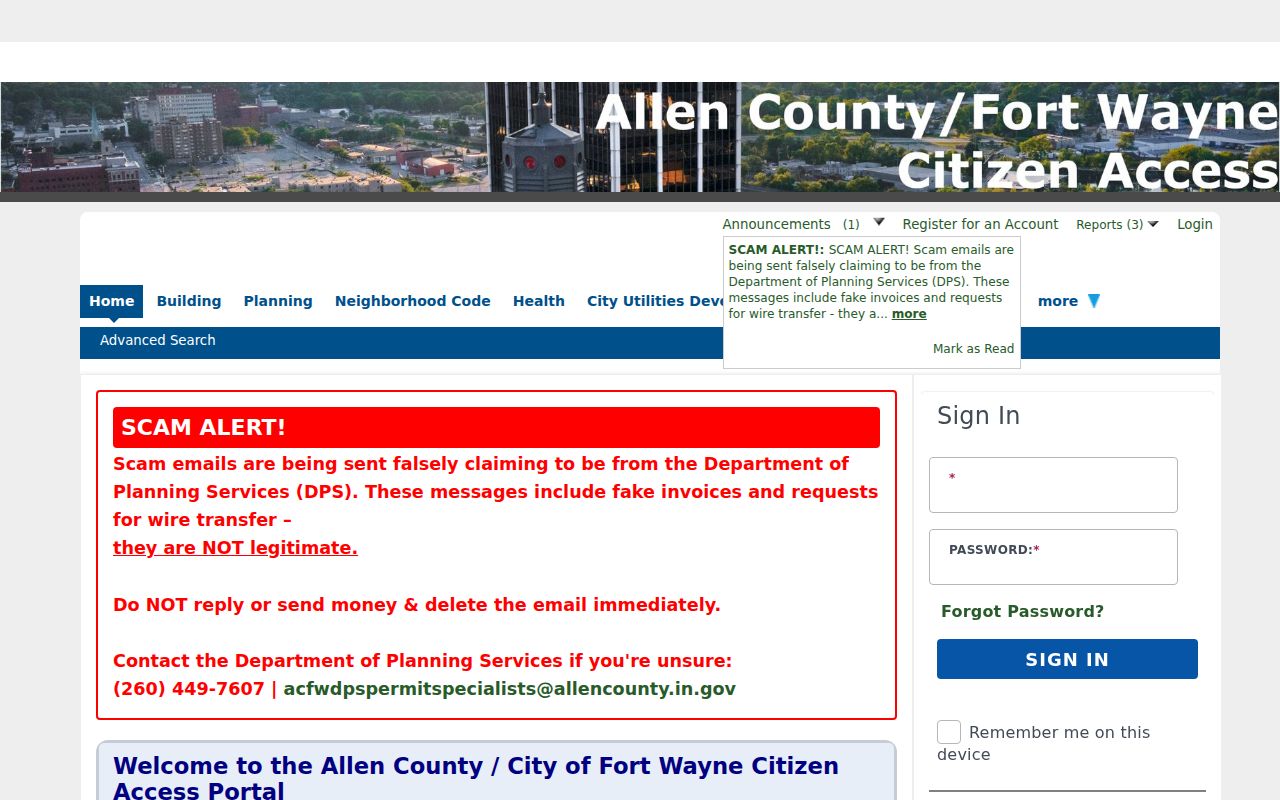
The live screen supports a current case lead, while a printed directory stays tied to its edition.
The Fort Wayne request portal is the fallback for a defined city record.
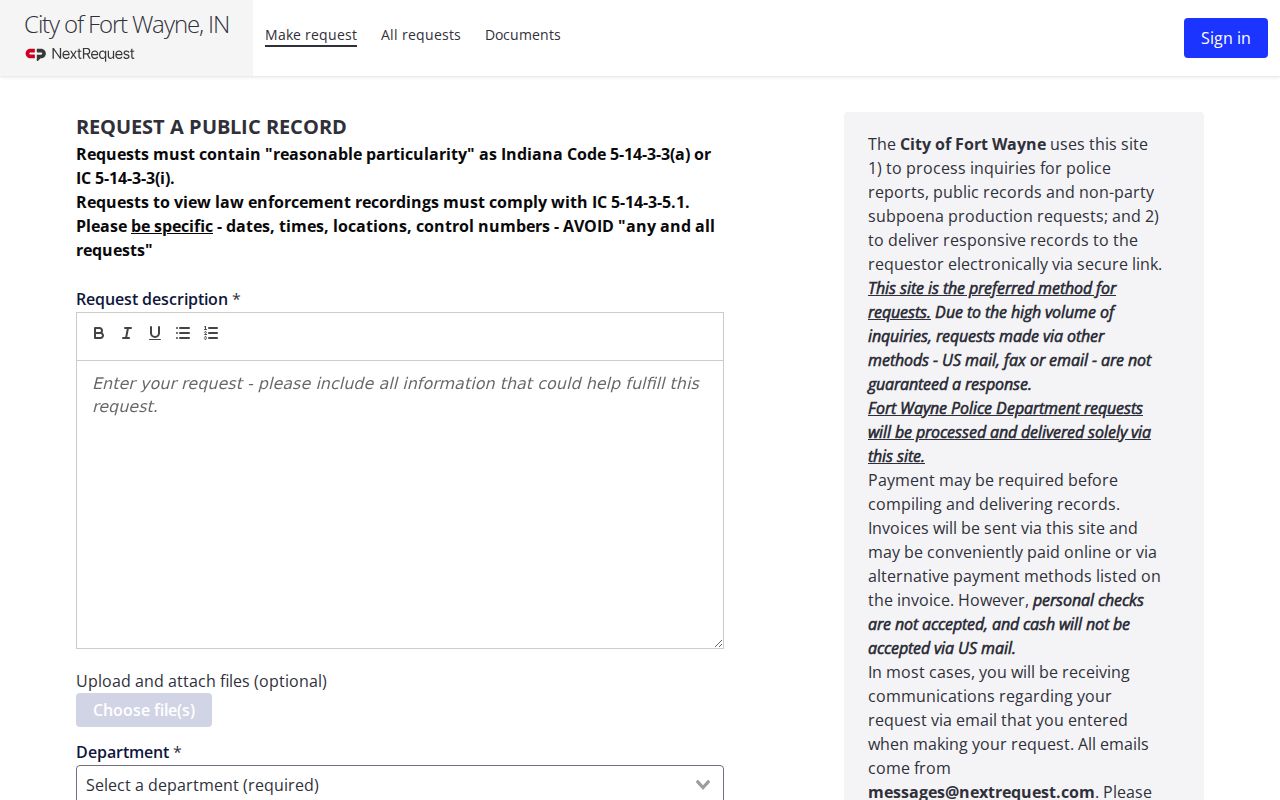
Give the department, address, case number, record type, and date range. Indiana APRA does not require a new person list.
Fort Wayne Directory Companions
The Fort Wayne Police Records Bureau explains the local public safety records route.
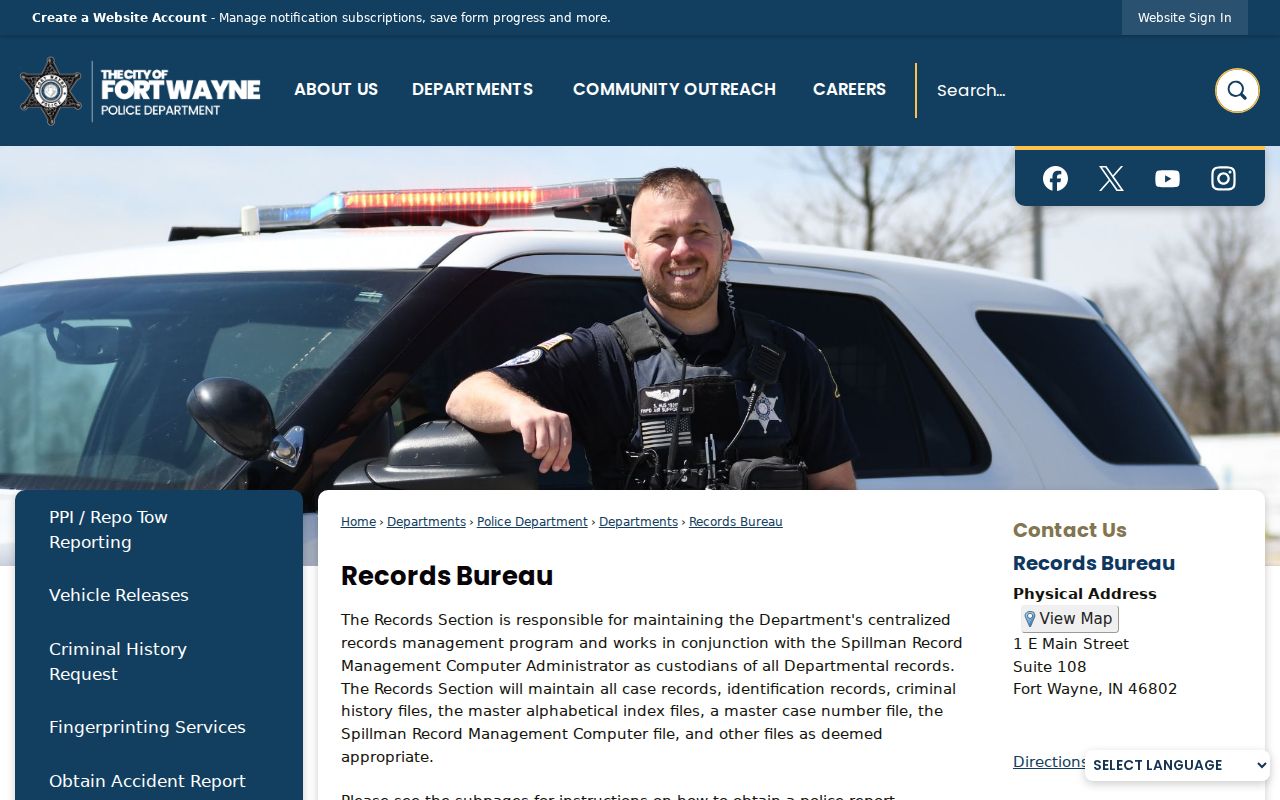
Release limits apply, and each fact must stay tied to the report date.
The city separately tells residents how to obtain police reports.
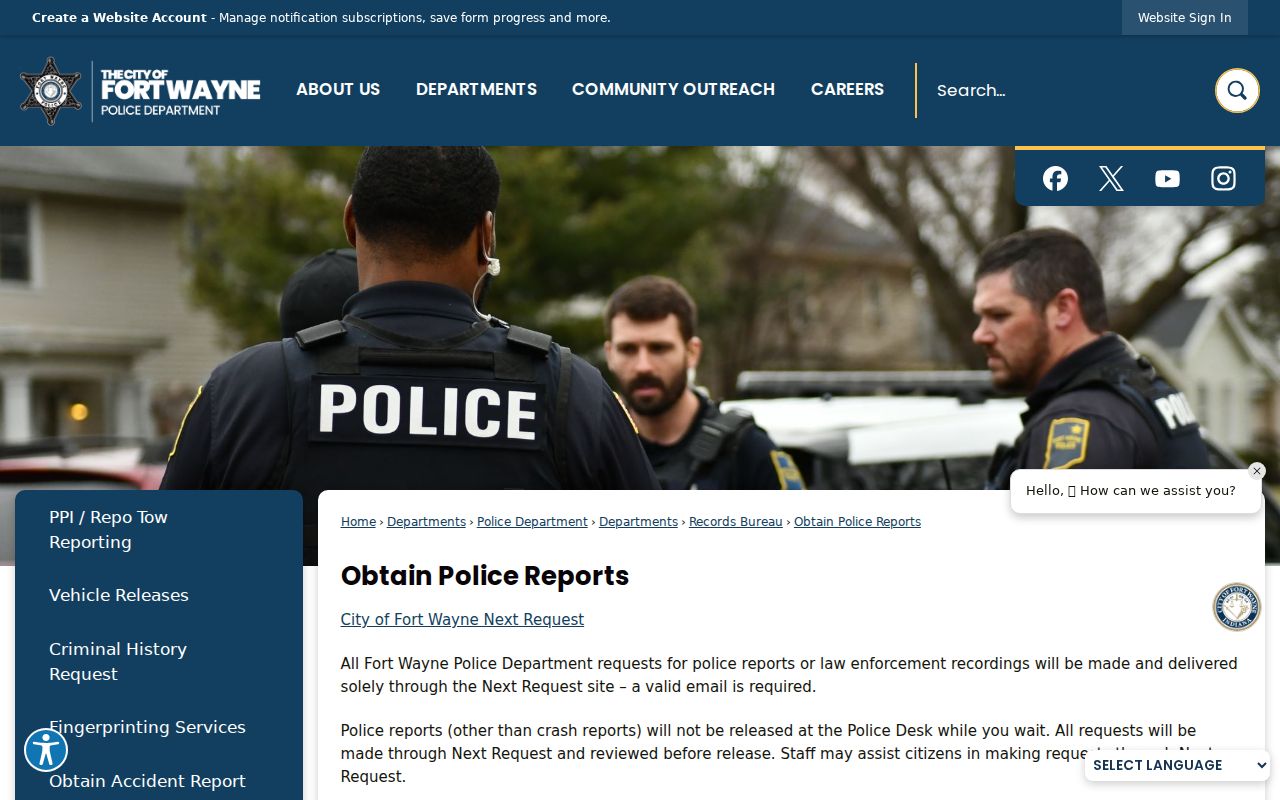
A report is not a directory entry and may be withheld or redacted.
The pet registration program is another narrow record set.
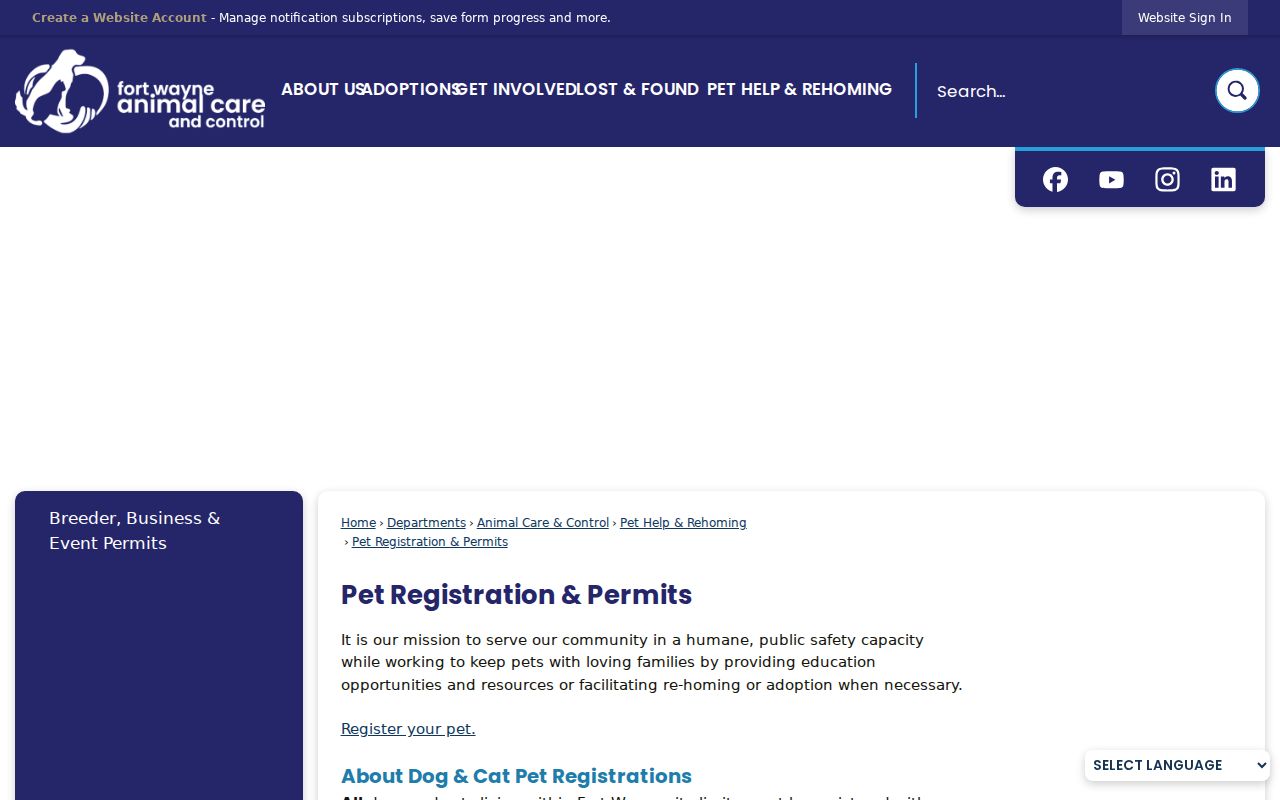
Its owner and pet fields serve that program only, not a general person search.
Allen County Archives Beyond Directories
The History Center adds maps, manuscripts, artifacts, and about 20,000 photos to a directory trail. Staff work at 302 E. Berry Street. The archive can explain a firm, street, or event that a one-line listing leaves unclear.
Fort Wayne also keeps a current registered-neighborhood resource.
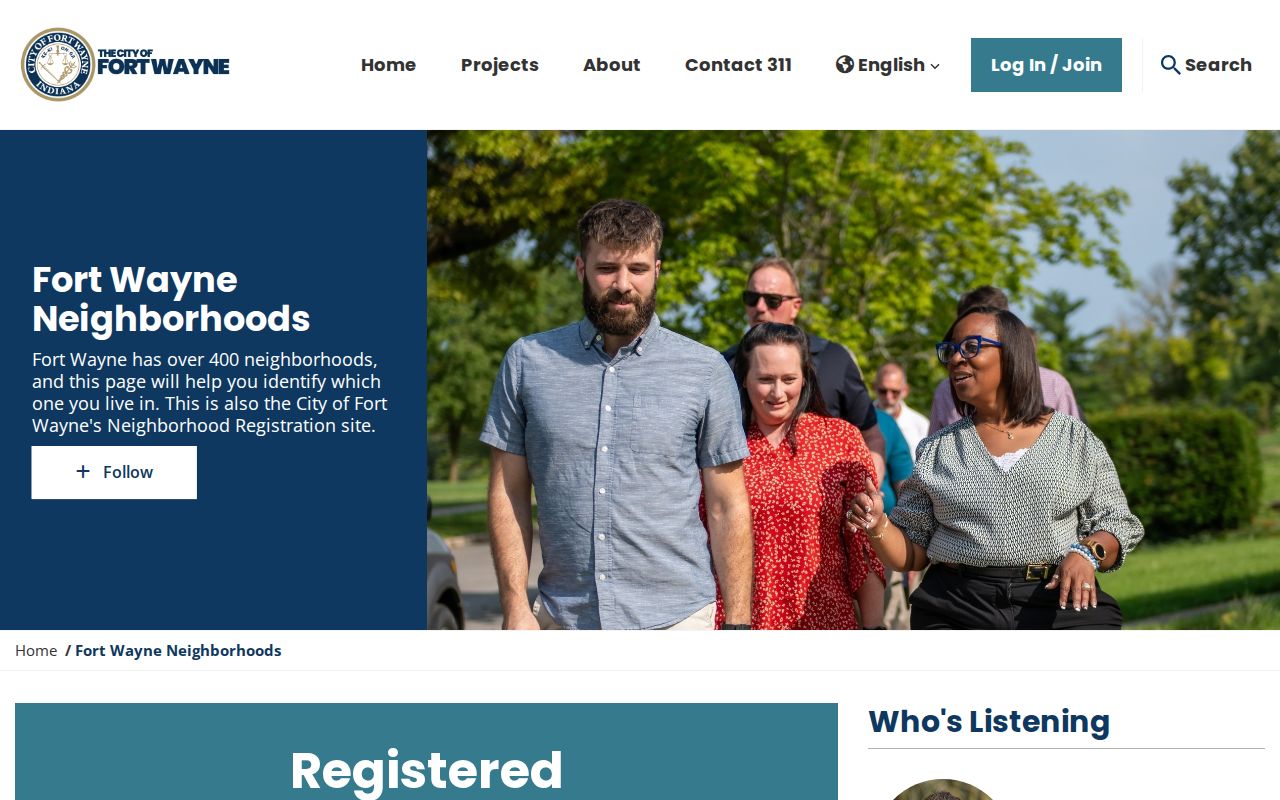
The July 2026 list is an organization tool, not proof that an old subject belonged to a group. A historical citation should retain its edition, page, repository, and date.